
Some trends fade quickly, but New York Times Games have steadily grown into a daily habit for millions of people. What began decades ago with the famous Crossword has transformed into a full digital world of puzzles that people now open every single day without thinking twice. For many, it has become part of a routine that feels just as natural as checking notifications in the morning or unwinding at night.
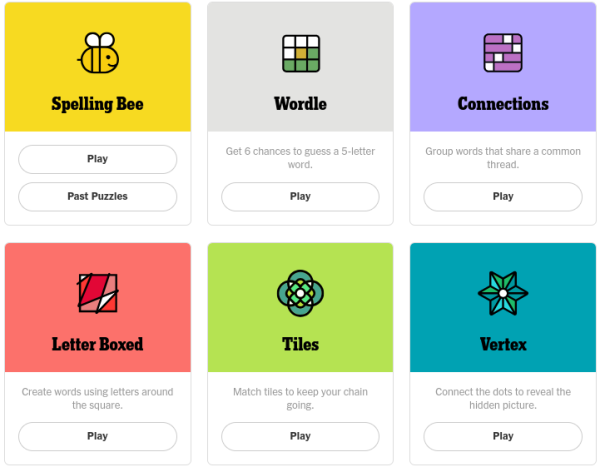
The obsession is driven by how each game delivers a different kind of mental challenge. Wordle, the game that exploded across the internet, keeps players hooked with its once a day format and simple five letter mystery. The Mini Crossword offers a fast but satisfying win that fits perfectly into a busy schedule. Connections has quickly become a fan favorite because it turns pattern recognition into a fun struggle where one wrong guess can change everything. Spelling Bee pulls players in for much longer, pushing them to search for hidden words and chase higher ranks like Genius or Queen Bee. Strands introduce a fresh twist on word searching, while Sudoku attracts those who enjoy logic over language. Together, these games create variety without overwhelming players.
Another reason behind the craze is consistency. Unlike endless scrolling apps, New York Times Games reset daily, which gives players something to look forward to. Many people start their day with Wordle, check the Mini during a break, and return later to finish Connections or the full Crossword. This repetition builds streaks, and those streaks turn into motivation. Missing a day feels strange, almost like forgetting part of a routine.
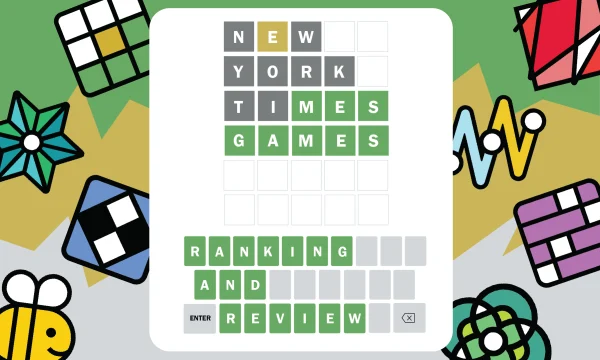
The social side has also played a huge role. Wordle grids appear everywhere, from group chats to social media stories, showing how fast someone solved the puzzle without revealing the answer. Friends compare Mini times, argue over tricky Connections groups, and sometimes team up to crack a difficult Crossword clue. What once felt like a quiet solo activity has become something shared, discussed, and even competitive.
There is also a deeper appeal. These games make people feel mentally active rather than distracted. Players strengthen vocabulary, improve memory, and practice problem solving while still feeling relaxed. The experience is calm yet engaging, challenging yet rewarding, which keeps people returning day after day.
To understand the hype, two daily players shared their thoughts on the growing NYT Games obsession.
Isabela Bolanos explained that the games have become part of her everyday routine. She said she opens Wordle as soon as she wakes up because it “wakes up my brain before anything else.” According to her, Connections are the most frustrating but also the most satisfying when solved, especially when the groups seem impossible at first. She also mentioned that comparing results with friends makes the experience more fun and keeps her motivated to maintain her streak.
Gabriella Rivera shared a similar perspective but emphasized the relaxing side of the games. She described playing the Mini Crossword during small breaks throughout the day because it feels like a quick mental reset. Gabriella said Spelling Bee is the game that keeps her hooked the longest since she always wants to reach a higher rank. She also noted that NYT Games feel different from social media because “you finish feeling smarter instead of drained.”
Both agreed that the biggest reason people keep coming back is the balance between challenge and enjoyment. The games are simple to start yet difficult to master, which creates a sense of accomplishment that keeps players returning daily.
New York Times Games have moved beyond simple entertainment. They now shape daily routines, spark conversations, and give people a small moment of focus in a busy world. What started as puzzles has grown into a cultural habit that shows no sign of slowing down.