
Seasonal depression, which is mostly known as Seasonal Affective Disorder, is a type of depression that only appears for a certain time of the year. It mainly affects people in the fall and winter. For a lot of teenagers, the darker months bring a lot of noticeable changes in mood, motivation to do physical activities, and the amount of energy they have throughout the day. As the day feels shorter and the sun sets earlier, making it darker earlier in the day, students and workers may feel tired or out of routine with what they are normally used to. At a high school level, these types of changes can be even more overwhelming on top of a student’s schoolwork, sports, friendships, and work. Students at Brien McMahon High School experience this daily, as long as many others across the country. Understanding how seasonal depression may affect someone’s mental health and help them recognize what’s happening in their lives, and help them seek support.
SAD has several causes and large effects on the teenage mind, and affects more strongly than adults. One of the biggest reasons is a lack of sunlight. When your body gets less natural light, it tells your body to produce melatonin, which makes you feel more tired. The difference can lead to sadness, low energy, and a hard time concentrating on tasks and things in front of you. Cold weather also plays a big role in keeping teenagers inside. The cold weather and less sunlight lead to a decrease in kids outside and enjoying outdoor activities. This reduces the opportunity for social interactions, which is important for teenage development and mental health. School stress also plays a huge part, especially during the winter, when assignments tend to pile up, midterms approach, and sports may be starting.
Even though seasonal depression may feel isolating and lonely, it doesn’t have to be. There are many ways for teenagers to manage it and feel better. At Brien McMahon, students have access to counselors and social workers such as Chitra Sutra from Teen Talk.
Schools may also help to provide a school psychologist who can give support and help to get onto the right path. Some healthy habits can also change a lot. G
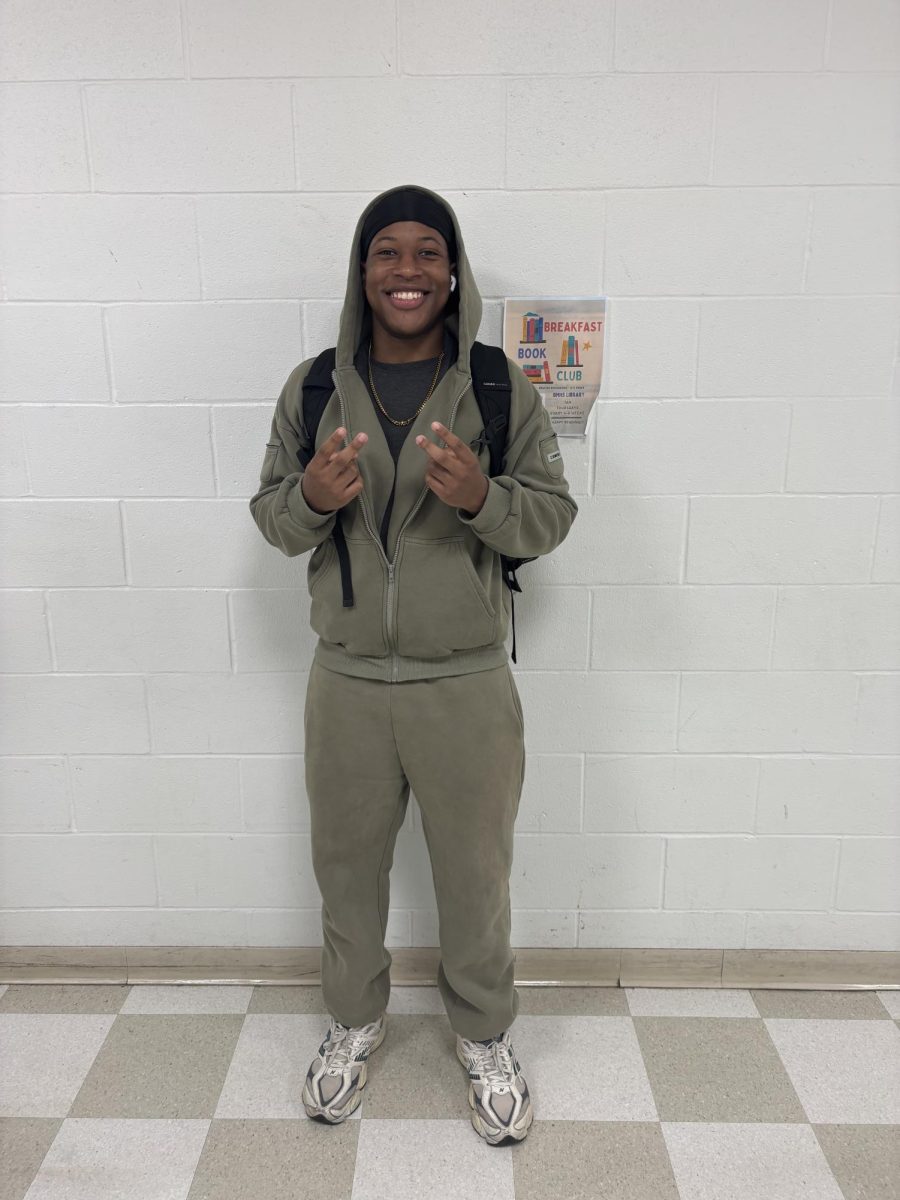
oing outside while there is sunlight for a few minutes can boost your mood and your energy. We interviewed Keneth Guidel, and he told us, “I’m happier when I’m outside”. He claims that being inside and locked away does make him sad and makes him feel lonely. We asked many other people around the school, and they said they also agree.
Maintaining a routine and a consistent sleep schedule is very important for teens because sleep can affect someone’s mood and cognitive performance. Using your phone less during the night can also help regulate the body’s clock. People use light therapy lamps during winter, which can resemble natural sunlight and can help reduce symptoms. Talking to a familiar face or a trusted friend can help your emotional well-being during the darker times of the year.
Seasonal depression is very real and affects many high school students across the country, even if they don’t recognize the symptoms right away. By knowing what’s going on and how it may impact their daily life, teens may begin to have control over their mental health as opposed to feeling confused about their daily struggles. Students everywhere deserve to know that it’s completely normal to go through seasonal downs and that it’s common and treatable and it’s nothing to be ashamed of. With support coming from the school staff, friends, and healthy habits, teens may begin to flow through the winter seasons smoothly with a better understanding. No one deserves to face it alone. The more you talk to someone, the easier it becomes for students to feel comfortable with the situation and reach out. It becomes important for students to support themselves during the toughest times of the year.